
Quick Answer:
Acne in puberty happens because your body produces more oil (sebum) as hormones increase. This oil can clog pores, leading to pimples, blackheads, or whiteheads. It’s a normal part of growing up—and it can be managed with the right care.
Reviewed by: Dermatology Consultant
Last Updated: April 2026
Disclaimer: Educational content only. Not a substitute for professional advice.
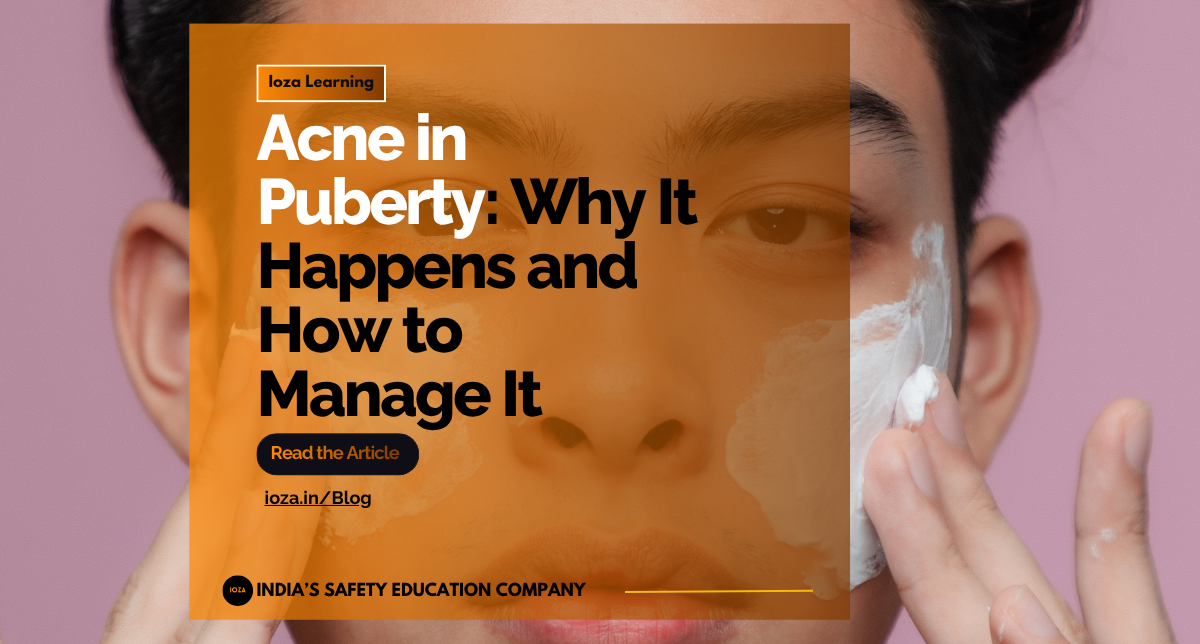
Acne in Puberty: Why It Happens and How to Manage It
Introduction
It’s the night before a school function.
You look in the mirror—and there it is.
A pimple. Right in the center of your forehead.
Someone at home says, “Don’t eat chips, that’s why this is happening.”
A friend suggests toothpaste. Another says ignore it.
And suddenly, it’s not just a pimple—it’s all you can think about.
If this has happened to you, you’re not alone.
Acne in puberty is one of the most common—and most confusing—changes teenagers go through.
This article will help you understand:
- why acne happens
- what’s actually normal
- and how to deal with it without panic or myths
What Is Acne in Puberty?
Acne is when your skin develops:
- pimples
- blackheads
- whiteheads
It usually appears on:
- face
- chest
- back
In simple words: during puberty, your body produces more hormones. These hormones increase oil production in your skin.
When this oil mixes with dead skin cells:
👉 pores get blocked
👉 bacteria grow
👉 pimples form
Which creates acne.
According to the World Health Organization, hormonal changes during adolescence directly affect skin and oil production.
Acne In Puberty: When Does It Start?
- Usually between ages 10–16
- Can continue into early adulthood
To understand why your body is changing overall, read: What is puberty?
Acne In Puberty: India Context
In India, acne is not just a skin issue—it becomes a social issue.
- Relatives saying: “Face kharab ho raha hai”
- Advice like: “Stop eating oily food”
- Fairness and clear-skin pressure from ads
In many Indian homes:
- skin problems are blamed on habits
- not explained scientifically
And because appearance is often linked to confidence:
👉 acne feels like something is “wrong”
But here’s the truth:
👉 it’s not about hygiene or “fault”
The Ministry of Health and Family Welfare (MoHFW) highlights adolescence as a phase of visible physical changes—including skin.
Learn more about puberty changes in girls: Puberty Guide for Girls
Acne In Puberty: Real-Life Example
Arjun, 15, starts getting acne before exams. At school, someone jokes, “Bro, stress pimples aa gaye.”
He feels embarrassed and stops participating in class.
A better response?
A teacher saying:
“This happens to many students your age. It’s normal—and manageable.”
Same problem. Different Response. Different Outcome.
Learn more about puberty changes in boys: Puberty Guide for Boys
Acne In Puberty: Is This Normal?
Yes. Completely.
Almost every teenager:
- gets acne
- feels conscious about it
Most teens go through this — they just don’t talk about it. If this feels frustrating, that’s completely normal.
👉 What is Safety (Sex) Education in the Indian Context? : For Indian Teen, Parents and Schools
What Is NOT Normal — Red Flags
Watch for:
- Severe painful acne covering large areas
- Acne causing scars quickly
- Sudden extreme breakouts
- Signs of infection (swelling, pus, fever)
- Emotional distress affecting daily life
If you notice these signs, take them seriously — not with panic, but with care and action.
When to Worry / When to Seek Help
You should consult:
- a dermatologist
- a paediatrician
- a school counsellor (if confidence is affected)
If:
- acne is severe or painful
- home care isn’t helping
- it affects your mental well-being
You can also seek guidance through school health programs or adolescent clinics.
Something which you every Indian youth should know: Boundaries and How to Set Them (India Edition)
Myths vs Facts (India-Specific)
Myth: Acne happens because you’re not clean
Fact: Acne is caused by hormones, not poor hygiene
Myth: Eating oily food directly causes acne
Fact: Diet may influence skin slightly, but hormones are the main cause
Myth: Popping pimples helps them heal faster
Fact: It increases infection and scarring
Myth: Only girls get acne
Fact: Acne affects all genders equally
Acne In Puberty: Parent Guidance
If you’re a parent:
- Avoid blaming your child for acne
- Don’t make negative comments about appearance
- Encourage simple skincare—not harsh treatments
- Help them consult a doctor if needed
- Reassure them it’s temporary
- Avoid comparing with other children
👉 Learn how to communicate better here: How parents should talk about sex
How to Manage Acne in Puberty (Practical Steps)
1. Keep It Simple
Wash your face twice daily with a gentle cleanser. Over-washing can make it worse.
2. Avoid Touching Your Face
Hands carry bacteria. Touching increases breakouts. Remember to wash your hands as much as you can during an acne breakout.
3. Do NOT Pop Pimples
This can cause scars and infections. Let it heal at it’s own time. Several TC medicine, specifically made for combatting acne, can also be used. Benzoyl Peroxide is one such gel for external use. In many a cases, gut health and your diet as well as lifestyle, significantly contributes to your acne breakout.
4. Use Basic Skincare
Stick to simple, non-oily products. Sunscreen with SPF more than 30, aloe vera gel or natural aloe vera gel. Neem gel or face wash can also help lessen acne.
5. Be Consistent
Acne doesn’t disappear overnight. Give your routine time. Diet and lifestyle plays a significant part in it.
IOZA Insight
Across IOZA sessions in Indian schools, one question comes up repeatedly: “Will my acne ever go away?”
Behind this question is not just concern—it’s fear of judgment. Many students believe acne makes them “less confident” or “less presentable.”
But once we explain:
- why acne happens
- how common it is
You can see the relief on their faces. Because understanding replaces embarrassment. And that’s where confidence starts.
FAQs
1. Why do I suddenly have acne during puberty?
Because your hormones increase oil production in your skin. It’s a normal body response.
2. Does acne mean something is wrong with me?
No. It means your body is going through natural changes.
3. How long does puberty acne last?
It varies. For most teens, it improves over time.
4. Can stress cause acne?
Stress can worsen acne, but it’s not the main cause.
5. What else changes during puberty?
Many things—voice, emotions, attraction. You can learn more here: Why do I feel attracted?
Conclusion
If you’ve been stressing about acne, it makes sense. It’s visible. It’s personal. And people around you have opinions. But here’s what matters:
👉 You’re not the only one going through this.
👉 And it’s not permanent.
You don’t need perfect skin to feel confident.
You just need the right understanding.
CTA
If your school hasn’t started conversations around puberty and health, IOZA makes it simple, structured, and age-appropriate.
👉 https://ioza.in/partner-with-us/ or
👉 https://ioza.in/contact/
For parents, starting these conversations may feel uncomfortable—but it makes a lasting difference.
About the Author
Utkarsh Sinha is the founder of IOZA Learning, a sex and safety education initiative working with schools across India. IOZA delivers age-appropriate programs on puberty, consent, and body safety, reviewed by psychologists, child safety experts, and medical professionals. The content aligns with Indian frameworks like the POCSO Act, and global guidelines from UNICEF and UNESCO.