
Puberty Guide for Girls: Complete Guide to Body Changes, Periods, and Emotions
Introduction
This puberty guide for girls is designed to answer the questions many girls are too unsure or uncomfortable to ask.
If your body feels like it’s changing suddenly—if emotions feel stronger, or if you’re unsure what’s “normal”—you are not alone.
Puberty is not a problem.
It’s a phase of growth.
And once you understand it, it becomes far less confusing.
Puberty Guide for Girls: What is Puberty?
Puberty is the stage when your body begins to change from a child’s body into an adult body.
These changes happen because of hormones, especially estrogen in girls.
According to the World Health Organization, puberty is a natural biological process that prepares the body for adulthood and reproduction.
Puberty Guide for Girls: When Does Puberty Start in Girls?
Most girls begin puberty between:
- 8 to 13 years
Puberty in boys also start around the same time. Some may start earlier or later.
👉 Both are normal.
Factors influencing timing:
- Genetics
- Nutrition
- Lifestyle
- Health
Puberty Guide for Girls: Physical Changes During Puberty
1. Breast Development
This is usually the first sign of puberty.
Stages include:
- Small breast buds
- Gradual growth
- Shape development
👉 It is very common for one breast to grow faster than the other.
2. Growth in Height
You may notice:
- Sudden increase in height
- Changes in posture
This is called a growth spurt.
3. Body Shape Changes
Your body may:
- Develop wider hips
- Store more fat around thighs and hips
👉 This is natural and healthy.
4. Body Hair Growth
Hair begins to grow in:
- Underarms
- Pubic area
The amount varies for everyone.
5. Skin Changes (Acne)
Hormones increase oil production.
Result:
- Pimples
- Oily skin
👉 This is extremely common and temporary.
Periods (Menstruation): What You Need to Know
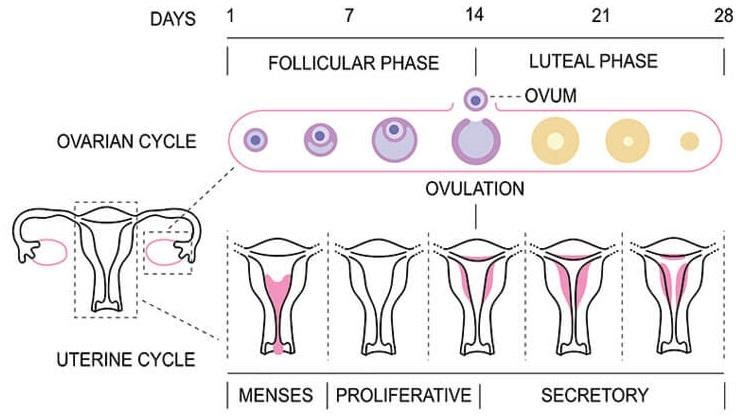
One of the most important parts of puberty is menstruation (periods).
What is a Period?
A period is when the body sheds the lining of the uterus, resulting in bleeding.
It usually lasts:
- 3 to 7 days
When Do Periods Start?
Most girls get their first period between:
- 9 to 14 years
Signs Your First Period is Coming
- Breast development
- White discharge
- Growth spurt
Hygiene Tips
- Change pads every 4–6 hours
- Maintain cleanliness
- Wash hands before and after
India Context
In India, many girls:
- Feel shy discussing periods
- Face stigma
- Lack access to proper information
According to United Nations Children’s Fund, improving menstrual education helps girls stay confident and continue education.
Puberty Guide for Girls: Emotional Changes During Puberty
Puberty is not just physical—it is emotional too.
You may experience:
- Mood swings
- Irritation
- Sudden sadness
- Increased sensitivity
Why Does This Happen?
Hormones affect brain chemistry.
According to UNESCO, adolescence is a key stage for emotional development and identity formation.
What You Can Do
- Talk to someone you trust
- Write your thoughts
- Take breaks when overwhelmed
Puberty Guide for Girls: Body Image and Confidence
Many girls start comparing themselves to others during puberty.
You may think:
- “Am I too thin?”
- “Am I too fat?”
- “Is my body normal?”
👉 The truth: There is no “perfect” body.
Important Reminder
Your body is not meant to look like someone else’s.
It is meant to grow at its own pace.
Puberty Guide for Girls: Attraction and Feelings
You may start to:
- Have crushes
- Feel attracted to someone
- Feel curious about relationships
👉 This is completely normal.
Understanding boundaries is important:
👉 Learn: what consent means for teens
Puberty Guide for Girls: Safety and Awareness
As you grow, it’s important to understand:
- Personal boundaries
- Safe vs unsafe touch
- When to say no
👉 Read: good touch bad touch meaning
Puberty Guide for Girls: Hygiene During Puberty
Daily Care
- Shower regularly
- Keep private areas clean
- Wear clean clothes
Period Hygiene
- Use pads/tampons safely
- Dispose properly
- Track cycle
Puberty Guide for Girls: Common Questions Girls Have
“Are irregular periods normal?”
Yes, especially in early years.
“Is pain normal?”
Mild cramps are common.
“Why do I feel emotional?”
Hormones affect mood.
“Is it okay to feel attracted to someone?”
Yes, it’s a normal part of growing up.
Global Perspective
According to World Health Organization and UNESCO:
- Millions of adolescents lack proper puberty education
- Lack of knowledge leads to confusion and risk
- Proper education improves confidence and safety
Puberty Guide for Girls: India-Specific Reality
In India:
- Sex education is limited
- Conversations are often avoided
- Teens rely on unreliable sources
👉 That’s why platforms like IOZA matter.
👉 Learn more: sex education in India
Reassurance
You are not “too early” or “too late.”
You are not “different” in a wrong way.
You are growing.
And growth is not always comfortable—but it is normal.
FAQs
1. What age does puberty start in girls?
Usually between 8–13 years.
2. Are uneven breast sizes normal?
Yes, very common.
3. How long does puberty last?
Typically 3–5 years.
4. Should I be worried about changes?
Most changes are normal.
Conclusion
This puberty guide for girls is not just about understanding your body—it’s about understanding yourself.
The more you know:
- The less confused you feel
- The more confident you become
About the Author
Utkarsh Sinha is the CEO of IOZA Learning, where he develops age-appropriate sex education and student safety content for schools across India. His work focuses on topics such as body safety, puberty, consent, and digital safety, with an emphasis on clear, practical, and culturally relevant guidance for students, parents, and educators. This article has been developed in collaboration with the IOZA Learning Team, which includes certified educators and subject matter experts.