
Signs of Unsafe Touch in Children: How to Identify and Respond Early
Reviewed by: Child Safety Specialist
Last Updated: March 2026
Disclaimer: Educational content only. Seek professional help in serious cases.
Introduction
If you’re searching for signs of unsafe touch, you’re already taking an important step toward protecting a child. The difficult reality is this: Children don’t always say what’s happening—but they always show it.
Understanding these signs early can make all the difference.
What Is Unsafe Touch?
Unsafe touch is:
- Any touch that makes a child uncomfortable
- Touch involving private parts
- Touch that is secretive or forced
👉 Learn basics: What is Good Touch (Safe Touch) Vs Bad Touch (Unsafe Touch)?
Why Children Don’t Speak Up
Children may stay silent because:
- They feel scared
- They feel confused
- The person is someone they trust
According to the UNICEF, lack of awareness prevents many children from reporting unsafe experiences.
Physical Signs
- Pain or discomfort
- Difficulty sitting or walking
- Unexplained injuries
Behavioral Signs
- Sudden fear of certain people
- Withdrawal
- Avoiding specific places
Emotional Signs
- Anxiety
- Mood swings
- Aggression
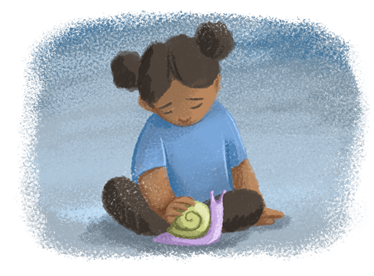
Real-Life Example
A child who was once active suddenly becomes quiet and avoids a particular person. They may not explain why—but this behavior can be a signal.
👉 Changes like this should never be ignored.
Warning Situations
Be alert if:
- Someone insists on secrecy
- A child avoids a specific person
- Behavior changes suddenly
👉 Learn: Here is all you need to know about Puberty in Girls
What Should You Do?
1. Stay Calm
Do not panic.
2. Listen Carefully
Let the child speak without interruption.
3. Reassure Them
Say clearly:
👉 “This is not your fault.”
4. Take Action
- Inform authorities if needed
- Seek professional help
According to the World Health Organization, early intervention is critical in preventing harm.
👉 Learn: Here is all you need to know about Puberty in Boys
Prevention Tips
- Teach body boundaries
- Encourage open conversations
- Educate about safe vs unsafe touch
👉 Learn: What is Consent in the Indian Context?
India Context
In India:
- These topics are often avoided
- Children lack awareness
This increases risk.
👉 Learn more: A complete guide for Sex Education in India
IOZA Insight
Most unsafe situations happen with someone the child knows.
That’s why teaching awareness—not fear—is the key.
When children understand boundaries early, they are far more likely to:
- Recognize unsafe behavior
- Speak up
👉 Learn: What is Puberty? The India Guide
Reassurance
If a child shares something:
- Believe them
- Support them
- Protect them
FAQs
1. Can unsafe touch happen from known people?
Yes, often.
2. What is the first sign to look for?
Behavior change.
3. Should I confront immediately?
Stay calm and assess carefully.
4. How early should kids be taught?
As early as 3–5 years.
5. What if I’m unsure?
Take it seriously and seek help.
Conclusion
Recognizing signs of unsafe touch early can prevent serious harm. Awareness is protection.
About the Author
Utkarsh Sinha is the CEO of IOZA Learning, where he develops age-appropriate sex education and student safety content for schools across India. His work focuses on topics such as body safety, puberty, consent, and digital safety, with an emphasis on clear, practical, and culturally relevant guidance for students, parents, and educators. This article has been developed in collaboration with the IOZA Learning Team, which includes certified educators and subject matter experts.